
For international patients considering treatment abroad, dental care in China offers a range of options, from routine dental examinations to restorative dentistry, dental implants, and orthodontic consultations.
Major cities such as Guangzhou and Shenzhen have public hospitals, specialist dental institutions, and private dental clinics. However, treatment availability, clinical standards, pricing, and language support can vary between providers.
Before arranging a dental trip, patients should understand the available treatments, estimated costs, appointment requirements, and follow-up responsibilities.
This guide explains what international patients should consider when planning dental treatment in China.
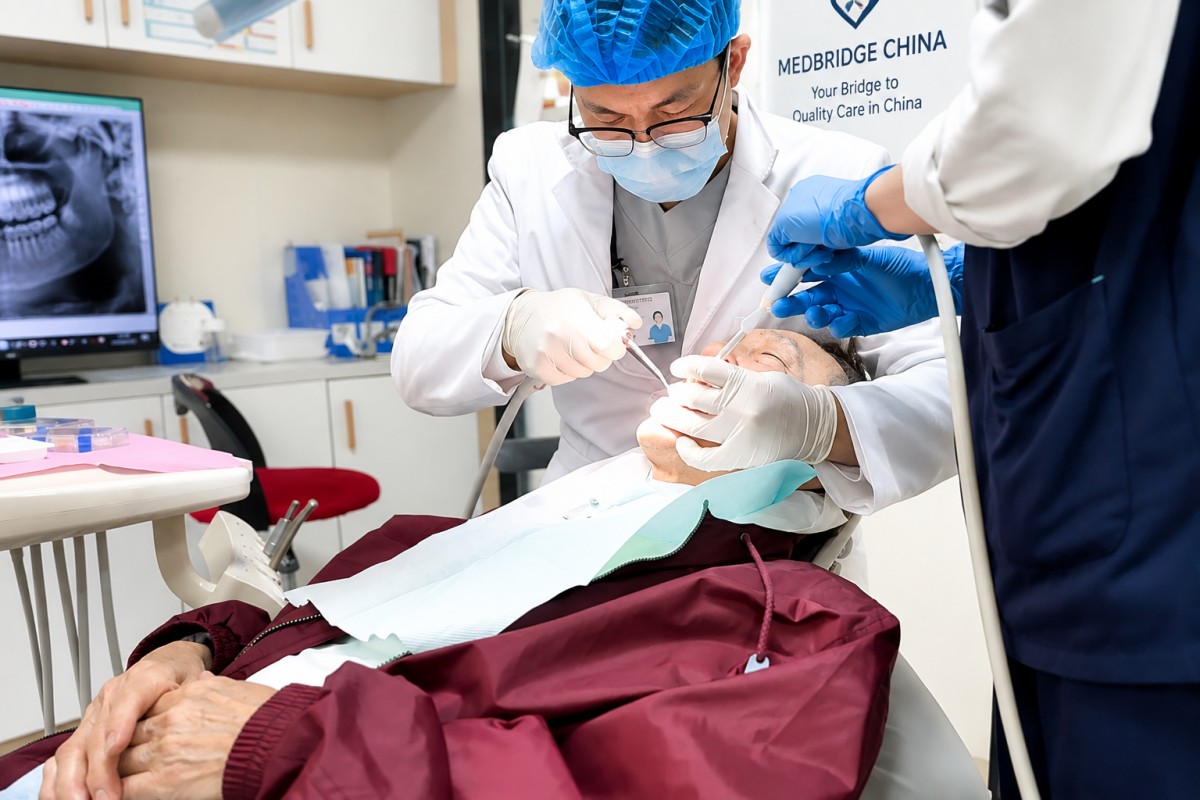
1. Why International Patients Consider Dental Care in China
There are several reasons why international patients explore dental care in China.
A range of dental services. Dental providers may offer preventive care, restorative procedures, dental implants, orthodontics, and treatment for gum conditions.
Potential cost differences. Some dental procedures may be priced differently from comparable services in other countries. However, the final cost depends on the provider, treatment complexity, materials, and number of appointments.
Modern diagnostic options. Depending on the clinic, diagnostic services may include digital dental X-rays, three-dimensional imaging, and intraoral scanning.
Travel connections. Guangzhou and other Greater Bay Area cities have transportation and accommodation options that may help patients organize dental appointments during a visit to China.
These factors should be considered alongside the qualifications of the treating dentist, clinical risks, communication needs, and long-term follow-up.
2. Common Dental Treatments Available in China
Dental care in China includes several treatment categories. The appropriate option depends on the patient’s oral health, clinical examination, and the recommendations of a qualified dentist.
Dental Examinations and Professional Cleaning
Routine dental appointments may include an oral examination, assessment of the teeth and gums, and professional cleaning when clinically appropriate.
A dentist may recommend additional examinations or imaging if symptoms or risk factors require further investigation.
Dental Fillings
Dental fillings are commonly used to restore teeth affected by decay or certain types of damage.
The treatment approach depends on the location and extent of the problem. Patients should ask about the proposed restorative material and whether additional treatment is necessary.
Root Canal Treatment
Root canal treatment may be recommended when the tissue inside a tooth becomes inflamed or infected.
The procedure can require one or more appointments, depending on the tooth and the complexity of treatment. A permanent restoration may also be necessary afterward.
Dental Crowns and Bridges
Dental crowns may be used to restore damaged or weakened teeth, while bridges can replace certain missing teeth.
Patients should discuss material options, tooth preparation, expected maintenance, and the number of visits required.
Dental Implants
Dental implants are one option for replacing missing teeth.
An implant treatment plan may involve clinical examination, imaging, assessment of bone and gum health, implant placement, healing, and final restoration.
Some patients may require additional procedures before implant placement.
Dental implant treatment cannot always be completed during a single trip. Healing and follow-up requirements must be assessed individually.
Orthodontic Treatment
Orthodontic services may include conventional braces and clear aligner treatment.
Orthodontics usually requires ongoing monitoring and adjustments over time. International patients should carefully consider whether they can attend follow-up appointments or arrange suitable continuing care at home.
Periodontal Treatment
Periodontal treatment focuses on conditions affecting the gums and supporting structures of the teeth.
Depending on the diagnosis, treatment may include professional cleaning, periodontal procedures, and long-term maintenance.
3. Understanding Dental Treatment Costs in China
Cost is an important consideration for international patients, but dental treatment prices should always be compared using equivalent treatment plans.
A quoted price may include only part of the overall procedure.
For example, a dental implant estimate may or may not include:
- Initial consultation and diagnostic imaging
- Implant fixture and related components
- Surgical procedures
- Additional bone or gum treatment, when necessary
- Abutment and final dental crown
- Follow-up examinations
- Medications and other clinical expenses
Similarly, the cost of a dental crown may vary according to the material, laboratory work, and complexity of the restoration.
Patients should request an itemized written estimate and confirm what happens if the treatment plan changes after examination.
Travel, accommodation, interpretation, and additional visits should also be included when calculating the total cost of receiving dental care abroad.
The lowest advertised price is not necessarily the best treatment choice. Clinical suitability, provider qualifications, materials, and follow-up arrangements are equally important.
4. How to Choose a Dental Clinic or Hospital in China
Selecting an appropriate dental provider is one of the most important steps in planning treatment.
China has different types of dental facilities, including hospital dental departments, specialist institutions, and private practices.
Before making an appointment, patients should verify the provider’s qualifications and ask questions about the proposed treatment.
Important considerations include:
- Whether the dental institution is appropriately licensed
- The qualifications and experience of the treating dentist
- Available diagnostic and treatment facilities
- Infection prevention and sterilization procedures
- The proposed materials and treatment alternatives
- Written information about treatment risks and costs
- Language assistance and informed consent
- Arrangements for complications and follow-up care
For dental implants or extensive restorative treatment, patients should request a clear explanation of the treatment stages and expected healing periods.
A reliable provider should explain alternatives and potential risks without promising guaranteed results.
5. How Long Does Dental Treatment Take?
Treatment duration varies significantly according to the procedure and the patient’s individual condition.
Routine examinations and some fillings may be completed during a relatively short appointment.
Root canal treatment and crowns may require multiple visits, depending on the clinical findings and laboratory requirements.
Dental implants often involve several treatment stages and a healing period before the final restoration. The timeline varies according to bone health, implant stability, and the overall treatment plan.
Orthodontic treatment typically extends over months or longer and requires ongoing monitoring.
International patients should avoid booking nonrefundable travel arrangements until the dental provider has explained the likely appointment schedule.
Additional treatment needs may only become clear after an in-person examination.
6. Planning Dental Care in Guangzhou
Guangzhou is one of the major cities in China’s Guangdong–Hong Kong–Macao Greater Bay Area.
For international patients, organizing dental care in Guangzhou involves both medical and practical considerations.
Before traveling, patients should confirm:
- Whether the dental provider can assess their condition
- Which medical records or dental images are required
- Whether an initial remote consultation is appropriate
- How many appointments may be needed
- Whether English-language communication is available
- The expected recovery and follow-up schedule
- Transportation and accommodation arrangements
Patients planning complex dental treatment should allow flexibility in their itinerary.
It may be necessary to extend a stay, return for later treatment stages, or arrange continuing care with a dentist in their home country.
7. Language Assistance and Travel Coordination
Receiving dental treatment in another country may involve unfamiliar procedures, medical terminology, and local arrangements.
Language assistance can help patients communicate appointment preferences, understand administrative instructions, and organize practical details.
Travel coordination may include assistance with transportation, accommodation planning, appointment scheduling, and interpretation arrangements.
However, dental diagnoses, treatment recommendations, informed consent, and clinical decisions must remain the responsibility of qualified dental professionals.
Patients should confirm the scope and cost of any coordination services before making a booking.
8. Dental Aftercare and Follow-Up
Follow-up care is an essential part of many dental treatments.
Patients may need to attend review appointments, maintain specific oral hygiene routines, or have restorations checked after treatment.
Dental implants, orthodontic appliances, crowns, and periodontal treatments may require continuing maintenance.
Before returning home, ask the treating dentist for relevant records, treatment details, and written aftercare instructions.
For patients receiving dental implants, information about the implant system and components may be useful for future maintenance.
If further dental care is needed after returning home, patients should arrange an appropriate local provider.
You can also read our guide: After You Return Home: Follow-Up Care and Medical Records.
9. How MedBridge China Supports International Dental Patients
MedBridge China focuses on helping international patients explore medical and dental care options in Guangzhou and the wider Greater Bay Area.
Our patient coordination focus includes dental treatment inquiries, appointment arrangements, language assistance, and practical travel support.
Depending on individual requirements and confirmed service availability, we can help patients prepare for communication with healthcare providers and organize aspects of their medical journey.
MedBridge China is a coordination service, not a substitute for a licensed dental clinic or treating dentist. All clinical assessments and treatment decisions must be made by qualified healthcare professionals.
Planning Dental Care in China?
If you are considering dental implants, crowns, restorative dentistry, or other dental services in China, contact MedBridge China to discuss your needs and travel plans.
Email: [email protected]
Disclaimer: This article provides general educational information and does not replace professional dental advice. Treatment suitability, costs, risks, and timelines vary according to individual circumstances and should be confirmed with a qualified dental provider.