
Oral tumor treatment in China may be an option that international patients explore when seeking specialist assessment for complex oral and maxillofacial conditions.
For patients facing a possible oral tumor diagnosis, choosing a treatment approach can be challenging. Questions about surgery, facial function, eating, speaking, recovery, and long-term quality of life may all influence medical decisions.
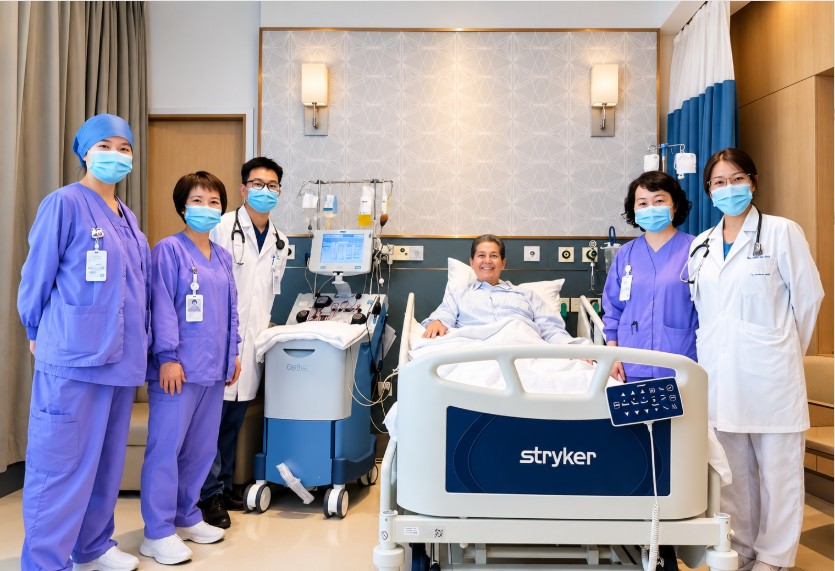
A publicly shared Chinese social media account describes the experience of a Malaysian patient who traveled to China for treatment of an oral and maxillofacial tumor.
According to the account, the patient was concerned about the potential impact of extensive surgery on her everyday life. She subsequently sought an assessment from a multidisciplinary medical team in China.
This article examines the reported experience and explains what international patients should consider when exploring specialist oral and maxillofacial tumor care in China.
Editorial note: The patient experience described here comes from a third-party social media account. The diagnosis, treatment details, and reported outcomes have not been independently verified. This was not a MedBridge China patient case.
A Malaysian Patient’s Reported Experience With an Oral Tumor
According to the publicly shared account, a Malaysian patient faced a serious oral and maxillofacial health concern.
The post describes a tumor affecting the oral region and reports that the patient experienced difficulties with everyday activities, including speaking and eating.
The account also suggests that an earlier medical recommendation involved extensive surgery.
For the patient, the possibility of surgery raised concerns about her future quality of life.
She reportedly worried about how treatment might affect her ability to eat, speak, and return to normal activities.
Rather than making a decision based on one treatment recommendation alone, the patient traveled to China to seek further specialist assessment.
Her experience illustrates why patients facing complex medical conditions may wish to understand available treatment options before making major decisions.
However, the account does not provide sufficient independently verified medical records to establish the exact tumor diagnosis, stage, or clinical circumstances.
Why Did the Malaysian Patient Seek Treatment in China?
The shared account states that the patient traveled to China and consulted a multidisciplinary medical team.
The reported purpose was to obtain a more detailed assessment and explore a treatment plan suited to her condition.
For international patients, seeking an additional specialist opinion can be particularly important when a proposed treatment may have substantial effects on everyday function.
For international patients considering treatment in China, understanding the medical travel process is an important first step. Read our step-by-step guide to medical treatment in China for foreigners to learn about medical records, hospital appointments, travel arrangements, and follow-up care.
Questions Patients May Want to Ask
Before choosing a treatment approach, patients may want to discuss:
- What is the exact diagnosis?
- Is the tumor benign or malignant?
- What do imaging and pathology results show?
- What is the goal of the proposed treatment?
- Is surgery necessary, and what would it involve?
- Are there other medically appropriate treatment options?
- How might treatment affect speaking, chewing, or swallowing?
- What are the possible risks and side effects?
- What follow-up care will be necessary?
The answers depend on the individual diagnosis and clinical findings.
A second opinion does not guarantee that a less invasive treatment will be appropriate.
Oral and Maxillofacial Tumor Treatment in China: How Doctors Plan Care
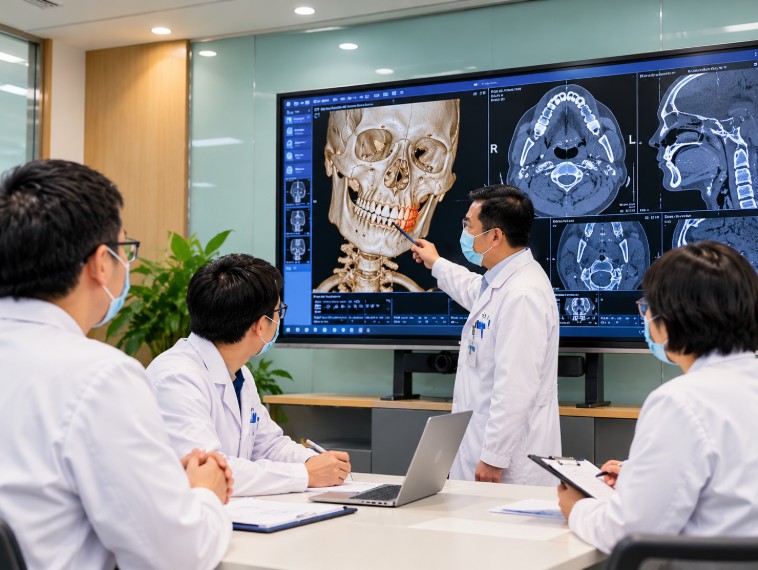
An oral or maxillofacial tumor may arise in different tissues and can represent a wide range of conditions.
Some tumors are benign, while others are malignant. Their management can differ substantially.
For general information about oral cancer, including symptoms, diagnosis, and treatment options, patients can consult the National Cancer Institute’s oral cancer information resources. Individual treatment decisions should always be discussed with qualified medical specialists.
An accurate diagnosis is essential before selecting treatment.
Medical History and Physical Examination
A qualified specialist may review the patient’s symptoms, medical history, previous treatments, and existing examination results.
The clinician may also examine the oral cavity, jaw, face, neck, and other relevant areas.
Imaging and Pathology
Depending on the clinical situation, diagnostic assessment may involve:
- CT or MRI imaging
- Other clinically appropriate scans
- Biopsy or review of pathology findings
- Additional laboratory investigations
Imaging can help clinicians assess the location and extent of a lesion.
Pathology is often essential for identifying the type of tumor and determining whether it is malignant.
The appropriate examinations depend on the patient’s circumstances.
Multidisciplinary Team Assessment
Complex oral and maxillofacial tumors may require input from several specialties.
Depending on the diagnosis, a multidisciplinary team may include oral and maxillofacial surgeons, head and neck specialists, oncologists, radiologists, pathologists, and rehabilitation professionals.
A multidisciplinary discussion can help clinicians evaluate treatment options, potential risks, and functional considerations.
Not every patient requires every specialty, and the composition of the team varies by institution.
What Treatment Options May Be Considered for Oral Tumors?
Treatment depends on the tumor’s diagnosis, location, stage, biological characteristics, and the patient’s overall health.
Possible approaches may include surgery, radiotherapy, systemic medication, or combinations of treatments.
For some benign conditions, monitoring or a specific surgical approach may be appropriate.
For malignant tumors, treatment planning may involve additional cancer staging and specialist oncology assessment.
There is no single treatment method suitable for every oral tumor.
Surgery and Functional Considerations
Surgery may be an important part of treatment for certain oral and maxillofacial tumors.
When planning surgery, specialists may consider the need to remove diseased tissue while preserving or restoring essential functions where medically possible.
Some patients may also require reconstructive procedures or rehabilitation.
The appropriate surgical approach depends on clinical findings and established treatment principles.
Medication and Other Treatments
For selected diagnoses, clinicians may consider medication or other treatments as part of an individualized plan.
However, a treatment described in one patient’s story should not be assumed to work for other tumor types.
Patients should ask their treating team about the evidence supporting a proposed therapy, its expected benefits, possible adverse effects, and available alternatives.
What Does the Reported Malaysian Patient Outcome Tell Us?
The social media account states that the patient received a treatment plan after specialist assessment in China.
According to the post, the medical team monitored her condition and adjusted treatment in response to clinical findings.
The account further reports that the tumor became smaller during treatment.
It also describes an improvement in the patient’s daily functioning and states that she was able to eat, speak, and maintain a more stable everyday routine.
These statements reflect the original account’s description rather than independently verified clinical outcomes.
The screenshots do not establish the exact medication, tumor measurements, pathology findings, treatment duration, or long-term follow-up results.
A reported improvement in one patient does not demonstrate that the same treatment will be safe or effective for another patient.
For anyone facing a possible oral malignancy, timely assessment by appropriately qualified specialists is essential.
How Can Foreign Patients Seek an Oral Tumor Specialist in China?
International patients considering specialist care in China should begin by collecting their medical information.
They should avoid making travel arrangements before understanding whether an appropriate healthcare provider can assess their case.
Step 1: Prepare Medical Records
Useful information may include:
- Previous diagnoses
- Pathology or biopsy reports
- Relevant CT or MRI images
- Medical consultation notes
- Current medications
- Previous treatments
- Questions about the proposed treatment plan
Hospitals may request additional records or translations.
Step 2: Request a Specialist Assessment
Patients can contact a suitable healthcare institution to ask whether it can review their condition.
The institution may require specific documents before deciding whether an appointment or consultation is appropriate.
A medical travel coordinator can assist with administrative communication, but only qualified healthcare professionals can provide medical recommendations.
Step 3: Discuss Treatment Options and Expected Costs
Before traveling, patients should ask about consultation fees, potential diagnostic examinations, possible treatment costs, and follow-up requirements.
For complex conditions, an initial estimate may change after an in-person assessment.
Patients should also ask whether their treatment could require a prolonged stay or repeated visits.
Step 4: Plan Travel and Language Support
Patients should confirm applicable entry requirements and make appropriate arrangements for transportation, accommodation, and medical interpretation.
The treating medical team should advise whether the patient is medically fit to travel.
Step 5: Arrange Follow-Up Care
For tumor-related conditions, follow-up care may be especially important.
Patients should ask how they will receive medical records and whether they need ongoing monitoring or specialist appointments after returning home.
Where appropriate, patients should coordinate with a qualified healthcare professional in their home country.
Can Foreigners Get Oral and Maxillofacial Tumor Treatment in China?
Foreign nationals may seek assessment and treatment at Chinese medical institutions, subject to the institution’s services, appointment availability, and the patient’s clinical needs.
Not every hospital offers the same specialist services.
Patients should verify that the institution has appropriate expertise for their specific diagnosis.
They should also confirm interpretation arrangements, medical costs, and follow-up procedures before traveling.
Medical Travel Planning in Guangzhou and the Greater Bay Area
Guangzhou and the Guangdong–Hong Kong–Macao Greater Bay Area are among the destinations international visitors may consider when exploring healthcare services in China.
However, complex oral and maxillofacial tumor treatment requires specialist expertise and appropriate facilities.
Patients should prioritize clinical suitability over travel convenience or promotional claims.
MedBridge China primarily focuses on medical travel coordination related to dental services, health examinations, and traditional Chinese medicine in the Greater Bay Area.
Patients with suspected tumors or other serious medical conditions should seek prompt assessment from appropriately qualified medical specialists.
MedBridge China does not provide tumor diagnosis or treatment, and this article does not imply that the company participated in the Malaysian patient’s care.
Frequently Asked Questions About Oral Tumor Treatment in China
Can foreigners receive oral tumor treatment in China?
Foreign patients may seek specialist consultations at suitable Chinese healthcare institutions. Acceptance and treatment availability depend on the medical condition and the institution’s capabilities.
Do all oral tumors require surgery?
No. Treatment depends on the diagnosis and clinical findings. Some tumors require surgery, while other conditions may call for different approaches. Only qualified specialists can determine an appropriate plan.
Can medication shrink an oral tumor?
Certain treatments may reduce the size of some tumors in specific clinical circumstances. Whether medication is appropriate depends on the tumor type and other medical factors. A social media account cannot establish that a particular treatment will work for other patients.
How can I get a second opinion for an oral tumor in China?
Patients can contact an appropriately qualified medical institution and ask about specialist consultations. They may need to provide pathology reports, imaging, and previous treatment records.
How much does oral tumor treatment cost in China for foreigners?
Costs vary substantially according to the diagnosis, required investigations, treatment approach, institution, and duration of care. Patients should request an individualized estimate from the healthcare provider.
Can I travel to China immediately after receiving an oral tumor diagnosis?
Travel plans should follow advice from the treating healthcare team. Some conditions require urgent local medical assessment or treatment, and delaying care to arrange international travel may be unsafe.
Can I receive follow-up care after returning to my home country?
Follow-up arrangements depend on the treatment and healthcare providers involved. Patients should obtain their medical records and establish an appropriate care plan before departure.
Final Thoughts
The reported experience of a Malaysian patient seeking oral and maxillofacial tumor treatment in China highlights the importance of understanding treatment options and obtaining appropriate specialist advice.
The account describes concerns about extensive surgery, a subsequent multidisciplinary assessment, and a reported improvement during treatment.
However, the available social media material does not independently verify the patient’s clinical details or establish that the reported approach would be appropriate for other patients.
For international patients considering medical treatment abroad, the most important steps are obtaining an accurate diagnosis, consulting qualified specialists, understanding potential risks, and planning follow-up care.
Medical decisions should always be based on individual clinical findings, not on the outcome described in a single patient story.
Editorial Disclosure: This article is an original informational adaptation based on a publicly shared third-party social media account about a Malaysian patient seeking medical care in China. The clinical details and reported outcomes have not been independently verified. The patient was not treated or coordinated by MedBridge China. The article does not imply any partnership with the healthcare providers involved.
Medical Disclaimer: This article is for general educational purposes and does not provide medical advice, diagnosis, or treatment recommendations. Anyone with a suspected oral or maxillofacial tumor should seek timely assessment from qualified healthcare professionals.