
Traditional Chinese Medicine in China attracts international visitors who want to explore different approaches to health, wellness, and cultural traditions.
From acupuncture and Tui Na massage to cupping and moxibustion, traditional Chinese medicine (TCM) includes a variety of practices that have developed over centuries.
For overseas visitors, experiencing TCM can be part of a broader journey that combines healthcare interests, cultural exploration, and travel.
However, choosing the right service requires an understanding of what each treatment involves, its potential benefits and risks, and how to find qualified healthcare professionals.
This guide introduces common TCM services, shares a publicly reported experience involving American visitors in Chongqing, and explains what international patients should consider when planning a TCM appointment in Guangzhou or the Greater Bay Area.
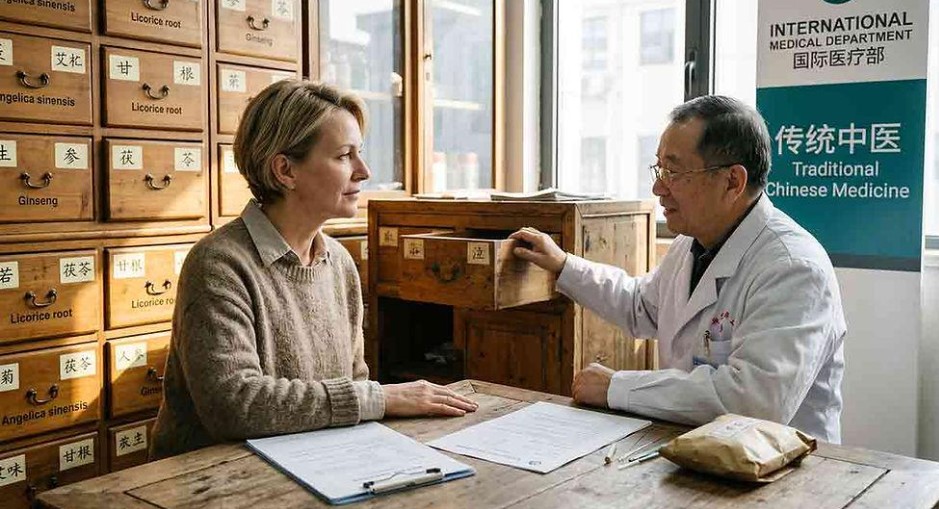
A Real-World Example: American Visitors Exploring TCM in Chongqing
In September 2025, a tour guide publicly shared an account of three American visitors who explored Traditional Chinese Medicine during their trip to Chongqing, China.
According to the guide’s post, the visitors had different professional backgrounds and were interested in experiencing Chinese culture and traditional healthcare practices.
The account described their introduction to several TCM services, including acupuncture, Tui Na massage, cupping, and moxibustion.
The guide also reported positive comments from the visitors about their experience.
These observations represent a third-party travel account rather than independently verified clinical outcomes. Individual experiences should not be interpreted as proof that a particular treatment is effective for everyone.
Although this experience took place in Chongqing, it illustrates how international travelers may incorporate an interest in traditional healthcare into a visit to China.
Source note: This example is based on a publicly shared tour guide account dated September 29, 2025. It is not a MedBridge China patient testimonial.
What Is Traditional Chinese Medicine?
Traditional Chinese Medicine refers to a group of healthcare practices rooted in Chinese medical traditions.
TCM may include acupuncture, herbal medicine, Tui Na massage, cupping, moxibustion, and other approaches.
These practices are used in different settings, including hospitals, outpatient clinics, and wellness facilities.
Some TCM practices have been studied for specific health conditions, but the strength of scientific evidence varies considerably by treatment and condition.
International visitors should not assume that every traditional practice has been proven effective or is appropriate for their medical needs.
Acupuncture: What International Patients Should Know
Acupuncture involves inserting very thin needles at specific points on the body.
Research suggests that acupuncture may help with certain types of pain, although its effectiveness depends on the condition being treated and the quality of the available evidence.
Before receiving acupuncture, visitors should explain their medical history, current medications, and relevant health conditions to a qualified practitioner.
Safe treatment requires appropriate infection-control procedures and sterile, single-use needles.
Acupuncture may cause temporary soreness or bruising, and serious complications, although uncommon, can occur.
It should not replace urgent medical assessment or necessary conventional treatment.
For more information, read the NCCIH guidance on acupuncture safety and effectiveness.
Tui Na Massage: A Traditional Manual Therapy
Tui Na is a form of Chinese manual therapy that uses techniques such as pressing, kneading, and manipulating soft tissues.
Visitors may encounter Tui Na in traditional medicine clinics or wellness settings.
Some people seek Tui Na for muscle tension or general relaxation. However, evidence for treating particular medical conditions varies.
Tui Na may not be appropriate for everyone, especially people with certain injuries, fractures, or other medical conditions.
Patients should discuss any existing health problems before undergoing manual therapy.
Cupping Therapy: Understanding the Experience
Cupping therapy involves placing cups on the skin to create suction.
The procedure is used in some traditional medicine and wellness settings.
Cupping can leave temporary circular marks on the skin and may cause discomfort, burns, or other complications.
Scientific evidence supporting cupping for specific medical conditions remains limited.
International visitors should ask practitioners about the procedure, hygiene standards, expected skin reactions, and potential risks before deciding whether it is suitable for them.
Moxibustion: A Traditional Heat-Based Practice
Moxibustion is a traditional technique that uses heat generated by burning processed mugwort near specific areas of the body.
The practice is sometimes combined with acupuncture or other TCM services.
Because moxibustion involves heat and smoke, visitors should ask about possible burns, respiratory irritation, and the precautions used by the practitioner.
People with relevant medical conditions or sensitivities should discuss their suitability for the procedure with a healthcare professional.
Is Traditional Chinese Medicine Safe for International Visitors?
The safety of TCM depends on the particular treatment, the patient’s health, the practitioner’s qualifications, and the standards of the facility.
Before booking a service, international visitors should consider the following:
- Choose a properly licensed medical institution when seeking diagnosis or treatment.
- Ask about the qualifications of the practitioner.
- Share relevant medical history, allergies, and medications.
- Understand the proposed procedure, its risks, and any alternatives.
- Request clear information about costs and follow-up requirements.
- Seek conventional medical evaluation when symptoms are persistent, unexplained, or severe.
Herbal medicines require additional caution because some products may interact with prescription medications or contain ingredients that are unsuitable for certain patients.
Traditional medicine should be considered alongside appropriate evidence-based medical care, rather than as an automatic substitute.
Experiencing Traditional Chinese Medicine in Guangzhou and the Greater Bay Area
For international visitors planning a trip to southern China, Guangzhou and the wider Guangdong–Hong Kong–Macao Greater Bay Area offer opportunities to learn about traditional Chinese medicine.
The region includes major cities such as Guangzhou, Shenzhen, Foshan, and Dongguan.
Visitors interested in TCM should first identify the type of service they want and whether their needs involve medical treatment, rehabilitation, or general wellness.
Availability, language support, practitioner qualifications, and appointment requirements vary between institutions.
A medical travel coordinator may help visitors understand available options, communicate appointment requirements, and plan transportation or accommodation.
However, medical decisions, diagnoses, and treatment recommendations should remain the responsibility of qualified healthcare professionals.
How to Prepare for a TCM Appointment in China
Preparing in advance can make a TCM appointment easier to understand and navigate.
Step 1: Identify Your Healthcare Needs
Consider whether you are seeking a medical consultation for a particular symptom or simply want to learn about a traditional wellness practice.
If you have a medical concern, seek an appropriate clinical assessment before selecting a treatment.
Step 2: Research Qualified Providers
Check the institution’s licensing status and the qualifications of the practitioner.
Ask whether interpretation or other language assistance is available.
Step 3: Prepare Your Medical Information
Bring relevant medical records, a list of medications, and information about allergies or existing conditions.
If documents are not available in Chinese, ask whether translations would be helpful.
Step 4: Understand the Proposed Treatment
Before proceeding, ask what the treatment involves, how long it takes, what risks are involved, and whether follow-up appointments may be needed.
Step 5: Plan Your Travel Schedule
Allow sufficient time for consultations and any recommended follow-up.
Do not assume that every treatment can be completed in a single visit.
Combining TCM Experiences with Travel in China
Traditional Chinese medicine is closely connected with aspects of Chinese history and culture.
Some visitors are interested in learning about traditional healthcare while exploring local food, historic neighborhoods, museums, and other cultural attractions.
Guangzhou and the surrounding Greater Bay Area can provide a starting point for a broader travel itinerary.
Travel plans should remain flexible when medical consultations or treatment are involved.
Visitors should also distinguish between cultural wellness experiences and services intended to diagnose or treat medical conditions.
Frequently Asked Questions
Can foreigners receive acupuncture in China?
Foreign visitors may seek acupuncture services at appropriately licensed healthcare institutions, subject to provider availability and medical suitability.
Is Tui Na the same as a regular massage?
Tui Na is a traditional Chinese manual therapy with techniques and practices that may differ from those used in general relaxation massage.
Does cupping therapy leave marks?
Cupping commonly causes temporary skin discoloration. Visitors should discuss potential skin reactions and other risks before treatment.
Can TCM replace conventional medical treatment?
Traditional Chinese medicine should not automatically replace conventional medical care. Patients should consult qualified healthcare professionals, particularly for serious or ongoing symptoms.
Can I arrange a TCM consultation during a trip to Guangzhou?
It may be possible to arrange a consultation during a visit, depending on the institution, practitioner availability, and the type of service required. Advance planning is recommended.
Final Thoughts
Exploring Traditional Chinese Medicine in China can offer international visitors an opportunity to learn about Chinese healthcare traditions.
The experience shared by American visitors in Chongqing demonstrates how some travelers combine cultural interests with visits to traditional medicine providers.
For anyone considering acupuncture, Tui Na, cupping, or moxibustion, informed decisions and appropriate medical guidance are essential.
International visitors planning a healthcare-related trip to Guangzhou or the Greater Bay Area should research qualified providers, understand the risks of different services, and prepare their medical information in advance.
MedBridge China aims to help international visitors navigate healthcare information and travel arrangements in the Greater Bay Area while recognizing that clinical decisions belong to licensed medical professionals.
If you are exploring healthcare options in China, read our guide on why patients choose China for medical care.