
TCM Experience in China is an opportunity for international travelers to explore traditional Chinese medicine and learn about Chinese wellness culture. Some visitors are interested in acupuncture, cupping therapy, traditional massage, and other traditional practices during their trips.
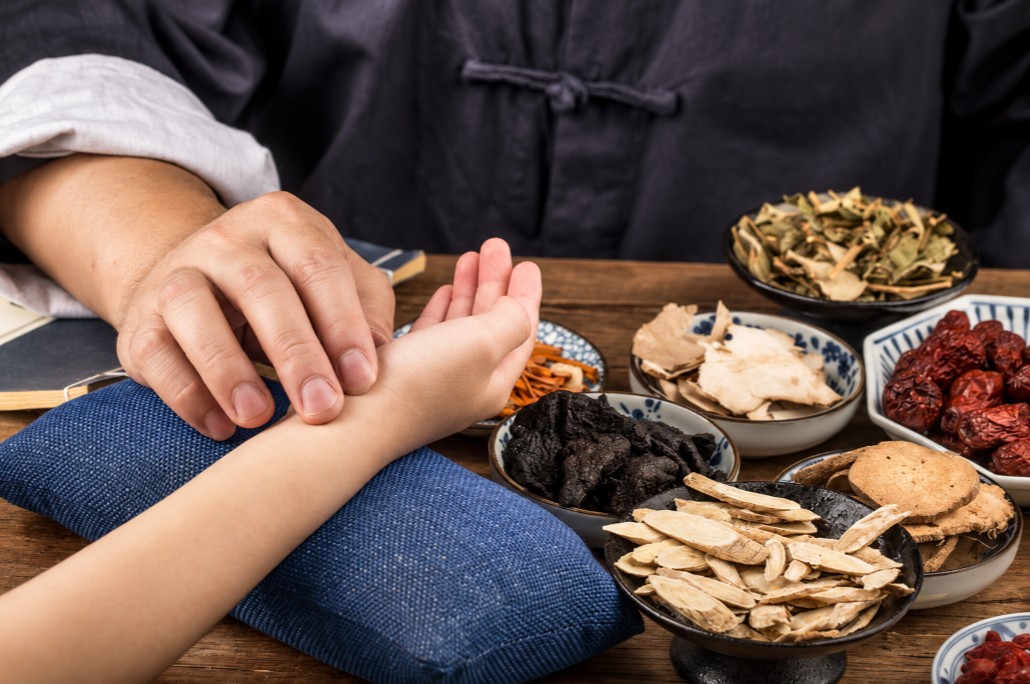
Three American Visitors Discover Traditional Chinese Medicine in Chongqing
According to a travel account shared by a local guide, three American visitors traveled to Chongqing and decided to explore traditional Chinese medicine during their visit.
The travelers reportedly came from different parts of the United States, including the Midwest and the East Coast. Two worked in automotive-related professions, while another worked in the automotive industry.
All three were visiting China for the first time.
During their trip, the visitors expressed interest in Chinese wellness practices. The guide reported that they had experienced various everyday health concerns, including headaches, neck and shoulder discomfort, and difficulties with sleep.
Rather than focusing exclusively on sightseeing, they chose to include a traditional Chinese medicine experience in their travel itinerary.
Their visit illustrates how wellness-related activities can become part of a broader cultural journey through China.
What Is Included in a TCM Experience in China?
According to the public account, the visitors were introduced to several traditional Chinese medicine practices.
1. Acupuncture
Acupuncture is a traditional practice involving the insertion of very fine needles at selected points on the body by a trained practitioner.
It is commonly associated with the management of certain types of pain and other symptoms. However, scientific evidence varies depending on the condition, and acupuncture should not be viewed as a guaranteed treatment.
The guide reported that the American visitors were interested in trying acupuncture as part of their introduction to Chinese medicine.
2. Cupping Therapy
Cupping therapy uses specially designed cups to create suction on the skin.
It is a recognizable feature of traditional Chinese wellness culture and is sometimes included in massage or wellness sessions.
Cupping may leave temporary circular marks on the skin. Evidence for many claimed health benefits remains limited, and the procedure is not suitable for everyone.
For international visitors, understanding the procedure and discussing potential risks beforehand is important.
3. Traditional Chinese Massage (Tui Na)
Tui Na is a form of traditional Chinese manual therapy that uses different massage and pressure techniques.
Some visitors choose it as a relaxation or wellness experience, particularly after long flights or busy travel schedules.
The appropriate technique and intensity should depend on the individual’s health circumstances and comfort level.
4. Moxibustion
Moxibustion is a traditional practice involving heat produced by burning prepared mugwort near selected areas of the body.
It has a long history within traditional Chinese medicine.
Visitors should understand that moxibustion involves heat and smoke, and improper application can cause burns or other adverse effects. It should only be performed by appropriately qualified professionals.
How Did the American Visitors Describe Their Experience?
The local guide reported that the three visitors responded positively to their traditional Chinese medicine experience.
According to the account, some visitors described feeling more comfortable afterward, while one reportedly discussed an improvement in sleep.
These comments represent personal experiences shared by the guide, not independently verified medical outcomes.
Individual responses to acupuncture, massage, cupping, and other practices can vary considerably. A positive travel experience should not be interpreted as proof that a particular therapy treats a medical condition.
Nevertheless, the account provides a useful example of international visitors engaging with traditional Chinese wellness culture.
Why Are International Tourists Interested in Traditional Chinese Medicine in China?
For many foreign visitors, experiencing traditional Chinese medicine is about more than receiving a particular treatment.
It can also be an opportunity to understand a medical and cultural tradition that has developed over centuries.
Several factors may contribute to this interest.
Cultural Curiosity
Visitors may want to experience practices they have previously encountered through documentaries, social media, or wellness centers in their home countries.
Experiencing these practices in China provides additional cultural context.
Access to Different Wellness Services
China offers a variety of traditional Chinese medicine services, including acupuncture, Tui Na, and other traditional practices.
The availability of specific services depends on the city, medical institution, and practitioner.
Combining Travel With Wellness
Some international visitors prefer to include relaxation and wellness activities alongside sightseeing, business meetings, and cultural experiences.
A traditional Chinese medicine appointment may be one part of a wider China travel itinerary.
Learning About Chinese Healthcare
A guided visit can help travelers better understand how traditional Chinese medicine is practiced alongside other healthcare services in China.
It also provides an opportunity to ask questions about professional qualifications, safety, and the differences between traditional practices and conventional medical care.
What Should Foreign Visitors Know Before Trying Traditional Chinese Medicine?
International travelers considering a traditional Chinese medicine experience in China should plan carefully.
Choose a Qualified Healthcare Provider
For procedures such as acupuncture, visitors should select an appropriately licensed medical institution and qualified practitioner.
Do not assume that every wellness venue is authorized to provide medical treatment.
Discuss Your Medical History
Before receiving treatment, tell the practitioner about relevant medical conditions, allergies, medications, pregnancy, or previous adverse reactions.
Some procedures may not be appropriate for certain individuals.
Understand the Procedure and Risks
Ask what the treatment involves, how long it will take, what side effects may occur, and whether there are safer alternatives.
For acupuncture, sterile single-use needles and proper infection-control practices are important.
Prepare for Language Differences
Medical terminology can be difficult to understand in another language.
English-speaking assistance or professional medical interpretation may help visitors communicate their concerns and understand explanations before consenting to treatment.
Keep Realistic Expectations
Traditional Chinese medicine experiences should not replace appropriate medical assessment or necessary conventional treatment.
Visitors with persistent, worsening, or unexplained symptoms should seek evaluation from a qualified healthcare professional.
Exploring Traditional Chinese Medicine in Guangzhou and the Greater Bay Area
Although the American visitors’ experience took place in Chongqing, international travelers can also explore traditional Chinese medicine services in other Chinese cities.
Guangzhou and the Guangdong–Hong Kong–Macao Greater Bay Area are important destinations for international travel, business, and healthcare.
Visitors to the region may be interested in learning about acupuncture, traditional Chinese massage, and other Chinese wellness practices.
For international patients, planning may involve identifying an appropriate medical institution, confirming practitioner qualifications, arranging interpretation, and coordinating transportation.
The availability, suitability, and cost of any treatment should be confirmed individually with the healthcare provider.
For international visitors, a TCM Experience in China can be part of a broader cultural and wellness journey, including visits to Guangzhou and the Greater Bay Area.
How MedBridge China Can Assist International Visitors
MedBridge China focuses on helping international visitors navigate healthcare arrangements in Guangzhou and the wider Greater Bay Area.
Depending on individual needs and service availability, coordination assistance may include:
- Initial communication about healthcare needs
- Assistance identifying suitable medical institutions
- Appointment coordination
- English-speaking communication and interpretation arrangements
- Airport pickup and local transportation coordination
- Travel and accommodation assistance
- Follow-up communication support
Medical examinations, diagnoses, and treatments are provided by independent qualified healthcare professionals and institutions, not by MedBridge China.
Visitors interested in traditional Chinese medicine should first discuss their health concerns with an appropriate healthcare professional to determine whether a particular service is suitable.
Learn More About Traditional Chinese Medicine in China
The experience shared by the three American visitors highlights the cultural interest that traditional Chinese medicine can generate among international travelers.
From acupuncture and cupping to traditional massage and moxibustion, these practices offer visitors opportunities to learn about a distinctive part of Chinese culture.
However, choosing qualified providers, understanding possible risks, and maintaining realistic expectations remain essential.
For more practical information, read our guide: Traditional Chinese Medicine in China: A Guide for International Visitors.
If you are planning a healthcare-related visit to Guangzhou or the Greater Bay Area, MedBridge China can help you understand the available coordination options and prepare for your journey.
Contact MedBridge China to discuss your healthcare travel arrangements.
Editorial note: This article is an original informational adaptation based on a publicly shared travel account by Jay tour_34, dated September 29, 2025. The account describes three American visitors exploring traditional Chinese medicine in Chongqing. The reported experiences and outcomes have not been independently verified. These visitors were not MedBridge China patients. Any illustrative images used with this article should not be presented as actual photographs of the visitors unless appropriate authorization has been obtained.