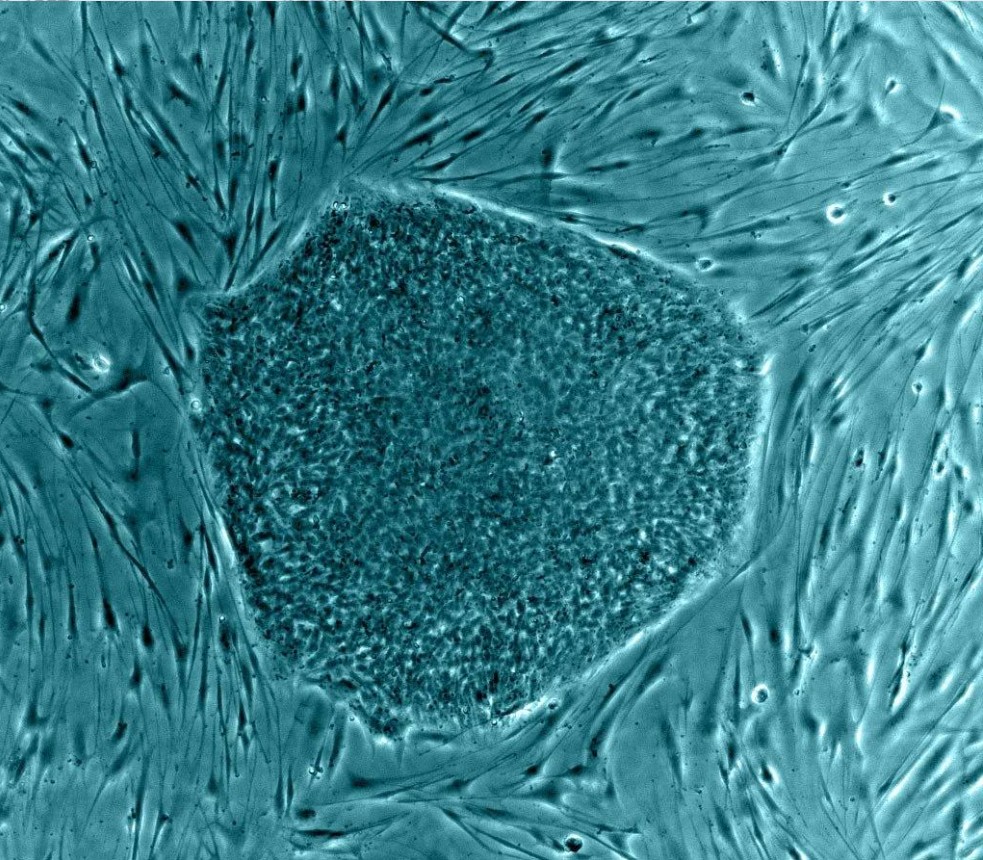
Stem Cell Anti-Aging Research in China is attracting attention from people interested in regenerative medicine, healthy aging, and emerging medical technologies. Scientists are investigating how stem cells interact with aging tissues, inflammation, and cellular repair mechanisms.
However, an important distinction must be made: promising laboratory research does not mean that stem cell treatments have been proven to reverse human aging.
For international patients considering medical consultations in China, understanding the science, clinical evidence, regulatory requirements, and potential risks is essential.
Why Does the Human Body Age?
Aging is a complex biological process influenced by genetics, environmental exposures, lifestyle, and changes in cellular function.
As people grow older, their bodies may experience changes such as:
- Reduced muscle strength and physical endurance
- Changes in skin structure and elasticity
- Altered immune responses
- Declining bone density
- Changes in metabolism and hormone regulation
- Increased risk of certain chronic conditions
These changes do not begin at one universal age, and they do not affect everyone in the same way.
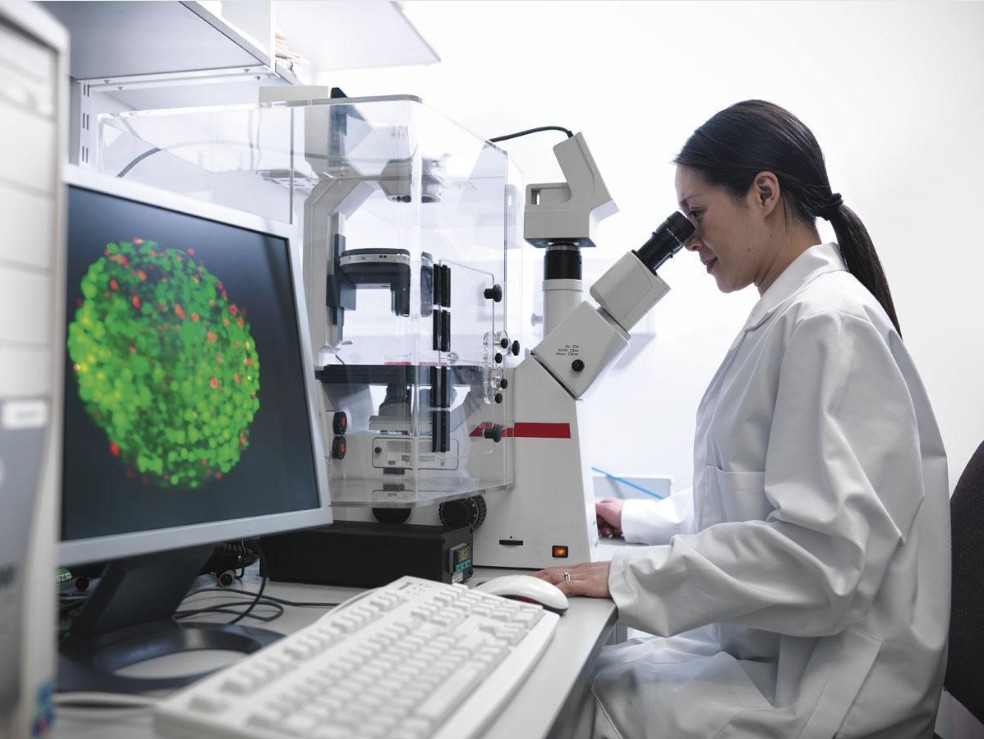
At the cellular level, researchers study several processes associated with aging, including cellular senescence, chronic low-grade inflammation, DNA damage, and changes in the body’s ability to maintain and repair tissues.
Stem cell function is one important part of this broader scientific picture.
Stem Cell Anti-Aging Research in China: Why Stem Cells Matter
Stem cells are specialized cells with two important characteristics:
- Self-renewal: They can produce additional stem cells under appropriate conditions.
- Differentiation: Depending on the stem cell type, they can develop into certain specialized cells.
Different types of stem cells exist in the human body and have different biological capabilities.
For example, hematopoietic stem cells help maintain the blood-forming system. Other tissue-specific stem cells contribute to the maintenance and repair of particular tissues.
These properties have made stem cells an important focus of regenerative medicine research.
However, not every stem cell can become every type of human cell, and introducing stem cells into the body does not automatically produce tissue regeneration or anti-aging benefits.
Stem Cell Anti-Aging Research in China: What Scientists Are Studying
Stem Cell Anti-Aging Research in China is part of a wider international effort to understand the biological mechanisms of aging and the potential medical applications of regenerative technologies.
Several research areas are particularly relevant.
1. Stem Cell Function and Age-Related Tissue Changes
Researchers are examining how aging affects the activity of tissue-specific stem cells.
Some studies investigate whether changes in stem cell environments contribute to reduced tissue maintenance and repair.
Understanding these mechanisms may help scientists identify future therapeutic targets. It does not establish that currently marketed stem cell interventions can reverse aging.
2. Inflammation and Cellular Signaling
Stem cells can interact with surrounding tissues through biological signaling mechanisms.
Researchers are studying how certain stem cells and the substances they release may influence inflammatory pathways and cellular communication.
These findings are scientifically interesting, but results from cell experiments or animal studies cannot automatically be applied to patients.
Whether a particular intervention is safe and effective must be established through appropriate human clinical research.
3. Regenerative Medicine and Clinical Research
China has research institutions and medical centers involved in regenerative medicine and cell-based research.
However, the existence of research activity does not mean that a particular stem cell product or anti-aging procedure is approved for routine clinical use.
Patients should distinguish between:
- Established medical treatments for specific conditions
- Regulated clinical trials investigating new applications
- Experimental procedures with limited clinical evidence
- Commercial anti-aging claims that have not been adequately verified
This distinction is especially important when evaluating stem cell anti-aging services.
Can Stem Cell Therapy Reverse Aging?
There is currently insufficient reliable clinical evidence to conclude that stem cell interventions can safely reverse human aging, extend lifespan, or provide general whole-body rejuvenation.
Some stem cell-based treatments have established medical applications for specific diseases, particularly in blood and immune system disorders. These should not be confused with general anti-aging treatments.
Research into age-related conditions continues, but an experimental approach should not be presented as a proven solution.
Patients should be cautious about claims such as:
- Guaranteed age reversal
- Complete immune system rejuvenation
- Restoration of multiple organs after one procedure
- Prevention of all age-related diseases
- Guaranteed improvements in longevity
Such claims require strong clinical evidence that should be independently verified.
Is Stem Cell Anti-Aging Treatment Safe?
Safety depends on the type of cells or product, how they are prepared, the intended medical application, the method of administration, and the patient’s individual circumstances.
Potential concerns with unproven stem cell interventions include infection, immune reactions, inappropriate cell behavior, and other complications.
Before considering any procedure, patients should ask:
- What specific condition is the intervention intended to address?
- Is the intervention approved for this use, or is it part of an authorized clinical trial?
- What human clinical evidence supports the claimed benefit?
- What risks and uncertainties have been identified?
- Who is responsible for treatment, monitoring, and follow-up?
- What happens if complications occur?
The U.S. Food and Drug Administration provides consumer information about unapproved regenerative medicine products, including stem cells and exosomes.
Patient safety should always take priority over marketing claims.
What Should International Patients Know About Stem Cell Research in China?
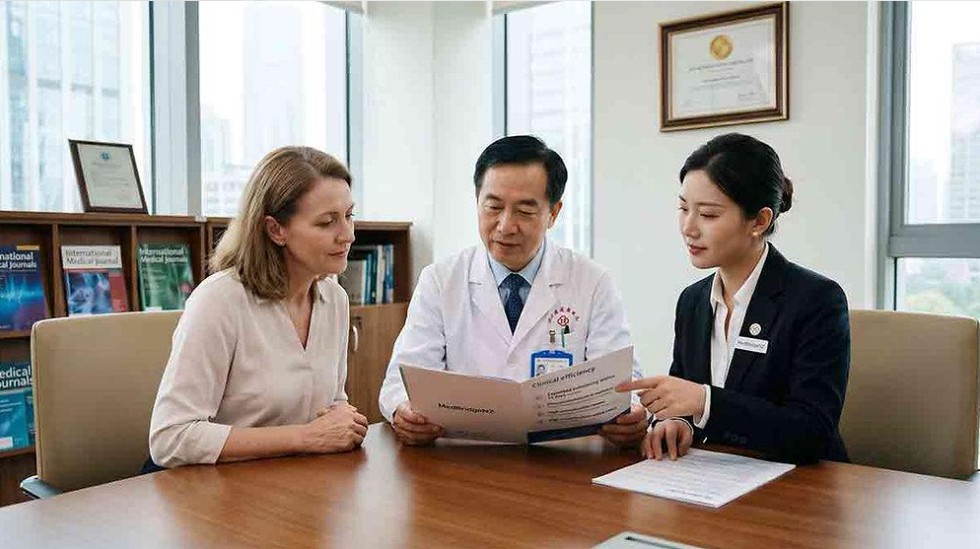
International patients exploring regenerative medicine in China should begin with a medical consultation rather than selecting a procedure based on advertising.
A responsible assessment may include:
Review of Medical History
A qualified clinician reviews relevant medical conditions, medications, previous treatments, and the patient’s goals.
Verification of the Medical Program
The institution, proposed intervention, regulatory status, and supporting clinical evidence should be checked before travel arrangements are finalized.
Discussion of Benefits and Uncertainties
Patients should receive clear explanations of what is known, what remains experimental, and whether the proposed intervention is appropriate.
Planning for Follow-Up
Medical follow-up and communication after returning home should be considered before any treatment decision.
No intervention should be assumed to be suitable simply because it is described as innovative or regenerative.
Healthy Aging Starts With Evidence-Based Healthcare
People interested in healthy aging may benefit from discussing established preventive healthcare approaches with qualified medical professionals.
Depending on individual needs, these may include:
- Appropriate health screenings
- Assessment of cardiovascular and metabolic risk factors
- Physical activity and strength maintenance
- Balanced nutrition
- Adequate sleep
- Management of existing medical conditions
- Recommended vaccinations and preventive care
These approaches have a stronger established role in maintaining health than unproven claims of whole-body stem cell rejuvenation.
International visitors can also explore comprehensive health checkup services in China as part of a clinician-guided health assessment.
How MedBridge China Supports International Patients
MedBridge China helps international patients navigate medical consultations and healthcare arrangements in Guangzhou and the Guangdong–Hong Kong–Macao Greater Bay Area.
Our coordination services may include:
- Initial consultation coordination
- Assistance with medical records and appointment requests
- Communication with relevant healthcare institutions
- Interpretation and language support
- Airport reception and travel coordination
- Follow-up communication assistance
For individuals interested in regenerative medicine, our role is to help facilitate appropriate inquiries and verify available medical information—not to guarantee access to experimental procedures or promise anti-aging results.
You can learn more about our anti-aging consultation services in China.
Frequently Asked Questions
Is stem cell anti-aging therapy scientifically proven?
No. While stem cells are important in regenerative medicine research, there is insufficient reliable clinical evidence that stem cell interventions can reverse normal human aging or produce general rejuvenation.
For more information about the risks of unapproved stem cell products, read the FDA’s consumer safety guidance on regenerative medicine.
Are stem cell treatments available in China?
Some stem cell-based medical applications and clinical research programs exist, but their status varies by indication, product, institution, and regulatory pathway. Availability should never be assumed without verification.
Can international patients participate in stem cell clinical trials in China?
Eligibility depends on the specific study, its approval status, inclusion criteria, and the research institution. Participation cannot be guaranteed.
What is the difference between stem cell research and an approved treatment?
Research investigates whether an intervention may be safe and effective. An approved treatment has undergone the relevant regulatory evaluation for a defined medical use. A treatment approved for one condition is not automatically approved for anti-aging.
Can MedBridge China help arrange a medical consultation?
MedBridge China can assist international patients with inquiries, appointment coordination, interpretation, and travel-related support. Medical decisions and treatment eligibility remain the responsibility of qualified healthcare professionals.
Final Thoughts
Stem Cell Anti-Aging Research in China offers an opportunity to learn about developments in regenerative medicine and the biology of aging.
However, scientific progress must be evaluated carefully. Experimental findings should not be confused with proven clinical outcomes, and patients should avoid promises of guaranteed rejuvenation.
For international patients, the most responsible first step is an evidence-based medical consultation, careful verification of any proposed intervention, and a clear understanding of potential risks.
Interested in exploring medical consultations in China?
Contact MedBridge China to discuss appointment coordination, healthcare navigation, and travel support in Guangzhou and the Greater Bay Area.
Website: https://medbridgegba.com
Medical disclaimer: This article is for general educational purposes only. It does not constitute medical advice, endorse an unapproved stem cell intervention, or guarantee treatment availability or outcomes. Consult qualified healthcare professionals for individual medical decisions.